Cambridge Elite Drywall & Plaster

Drywall Services in Cambridge, MA

Residential and commercial drywall — each entry links to a full breakdown of cost, process, and what to expect.

Mold Drywall Replacement

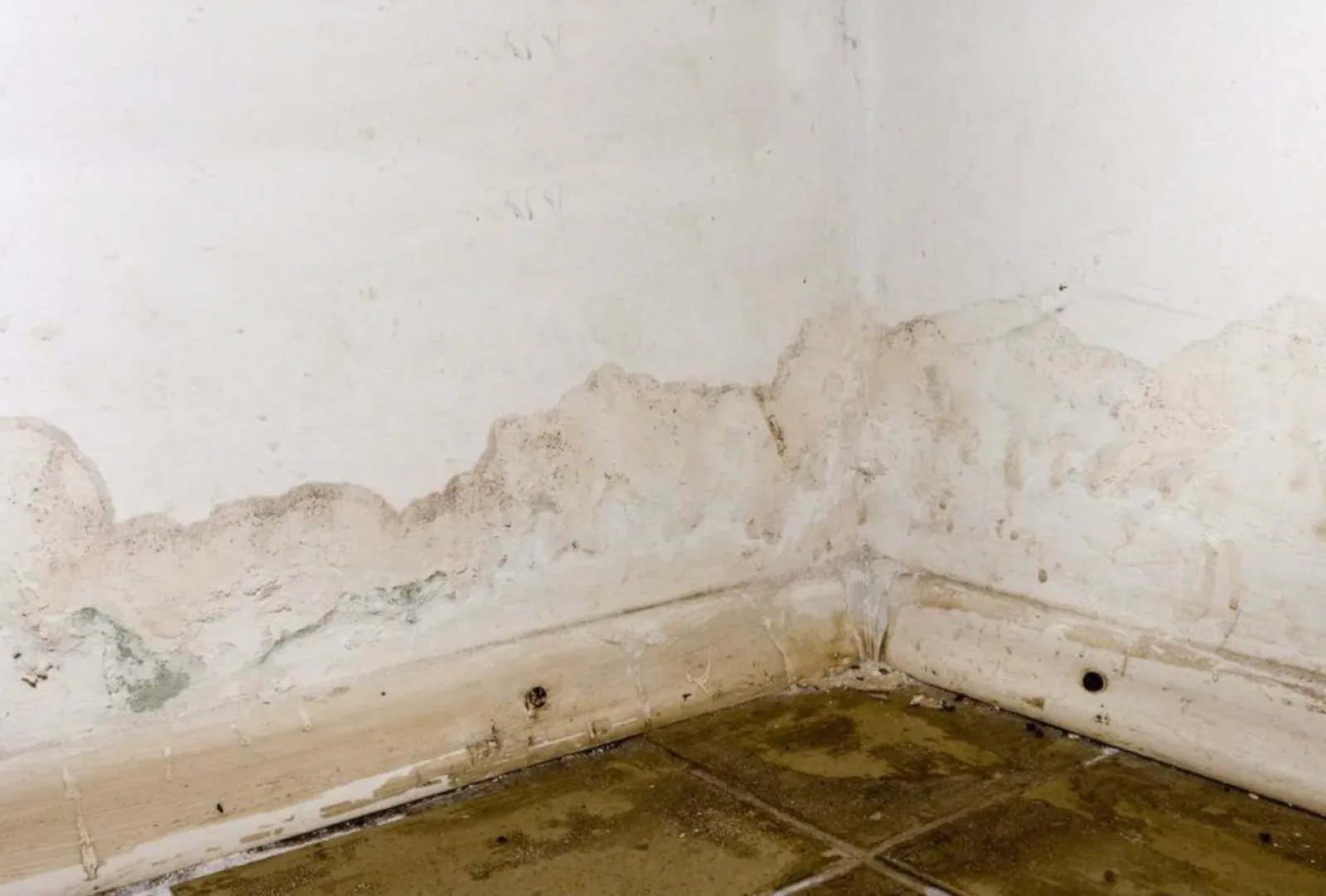
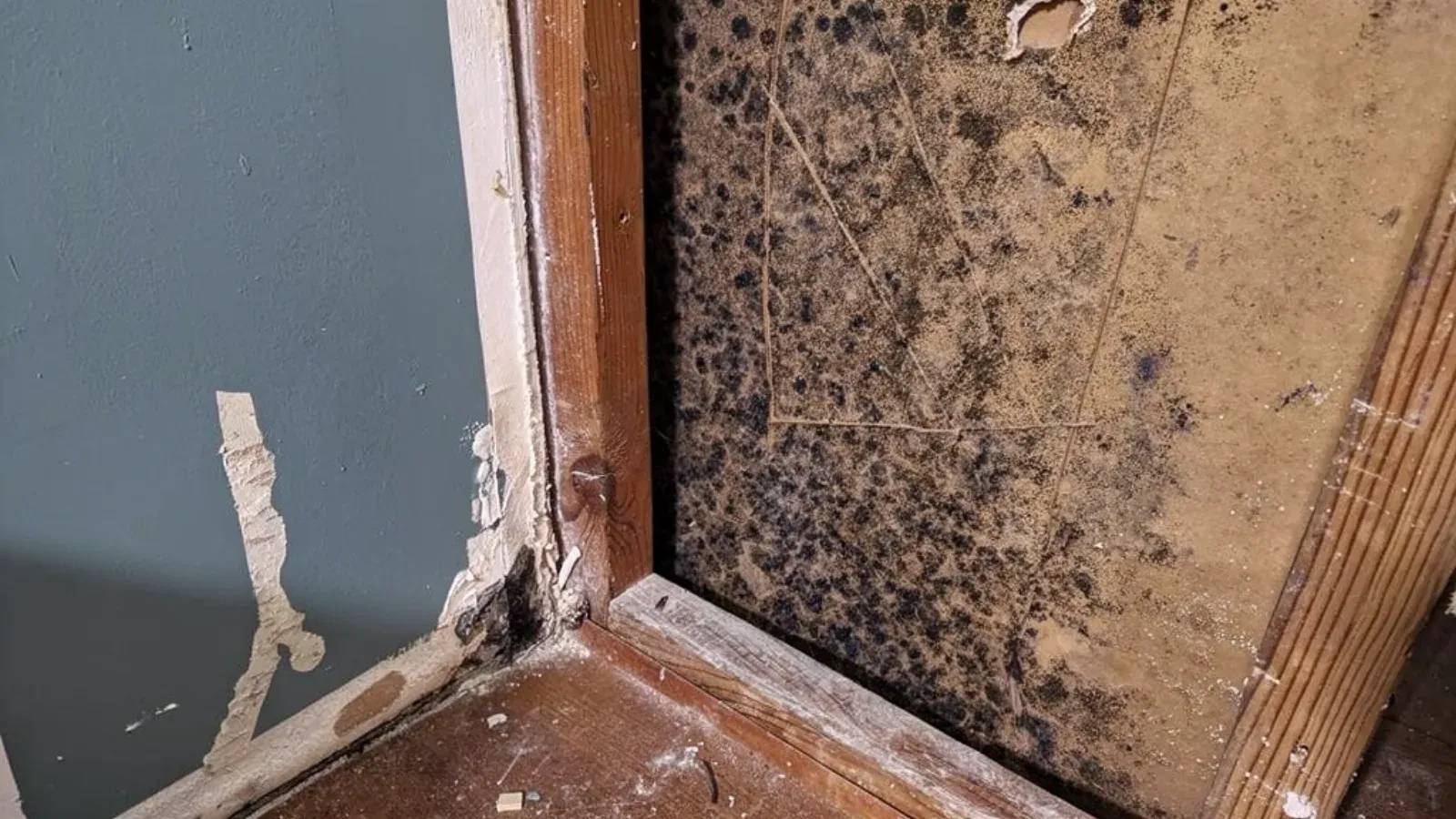
Black or gray spotting creeping up a basement wall, a musty smell that will not leave a room, or allergy symptoms that ease the moment someone steps outside are the signs that usually prompt the call. Cambridge Elite Drywall & Plaster removes mold-contaminated drywall rather than painting over it, because the paper facing on standard board feeds the growth and holds it in the material, so a moldy wall cannot be scrubbed back to safe.

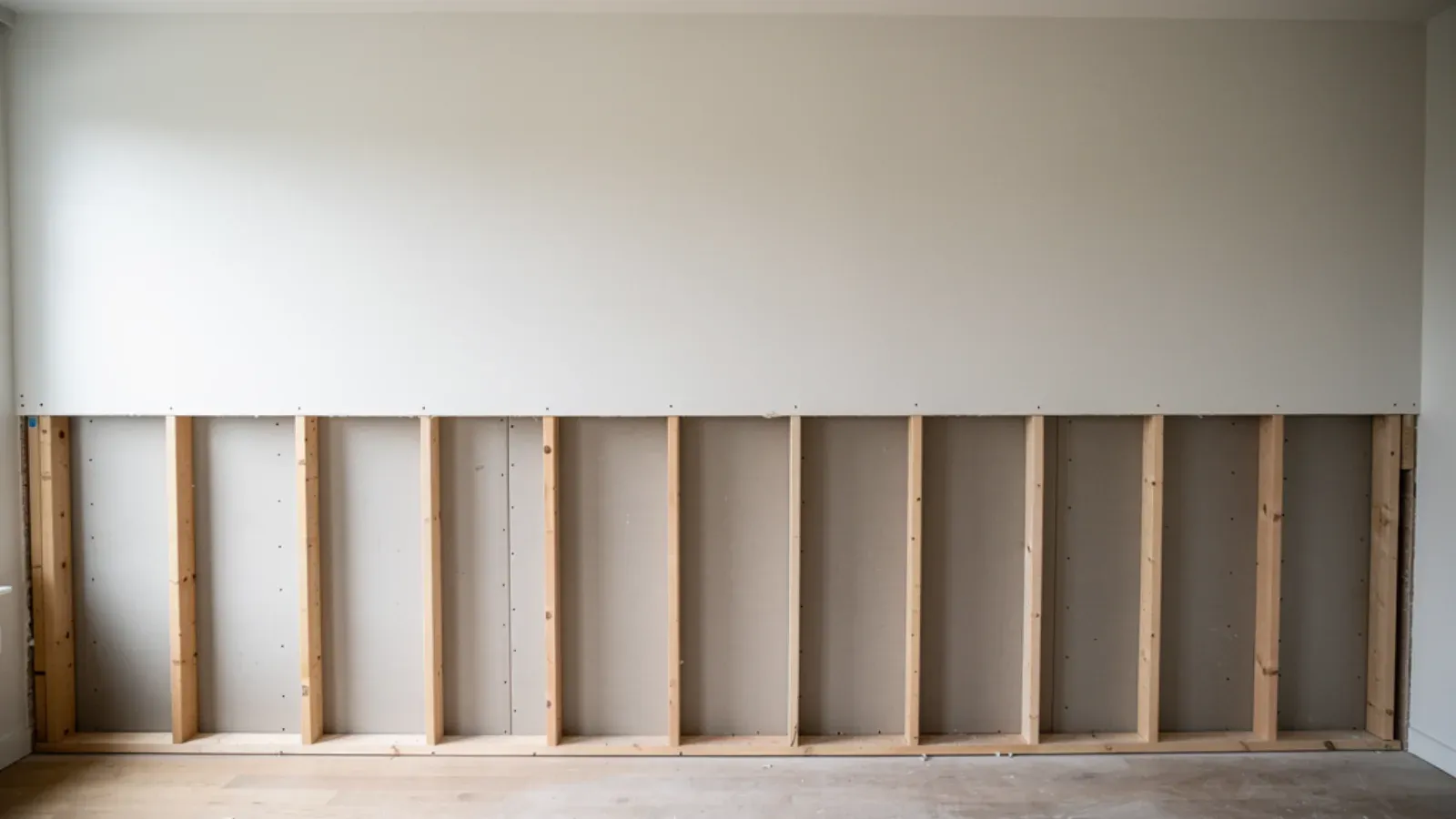
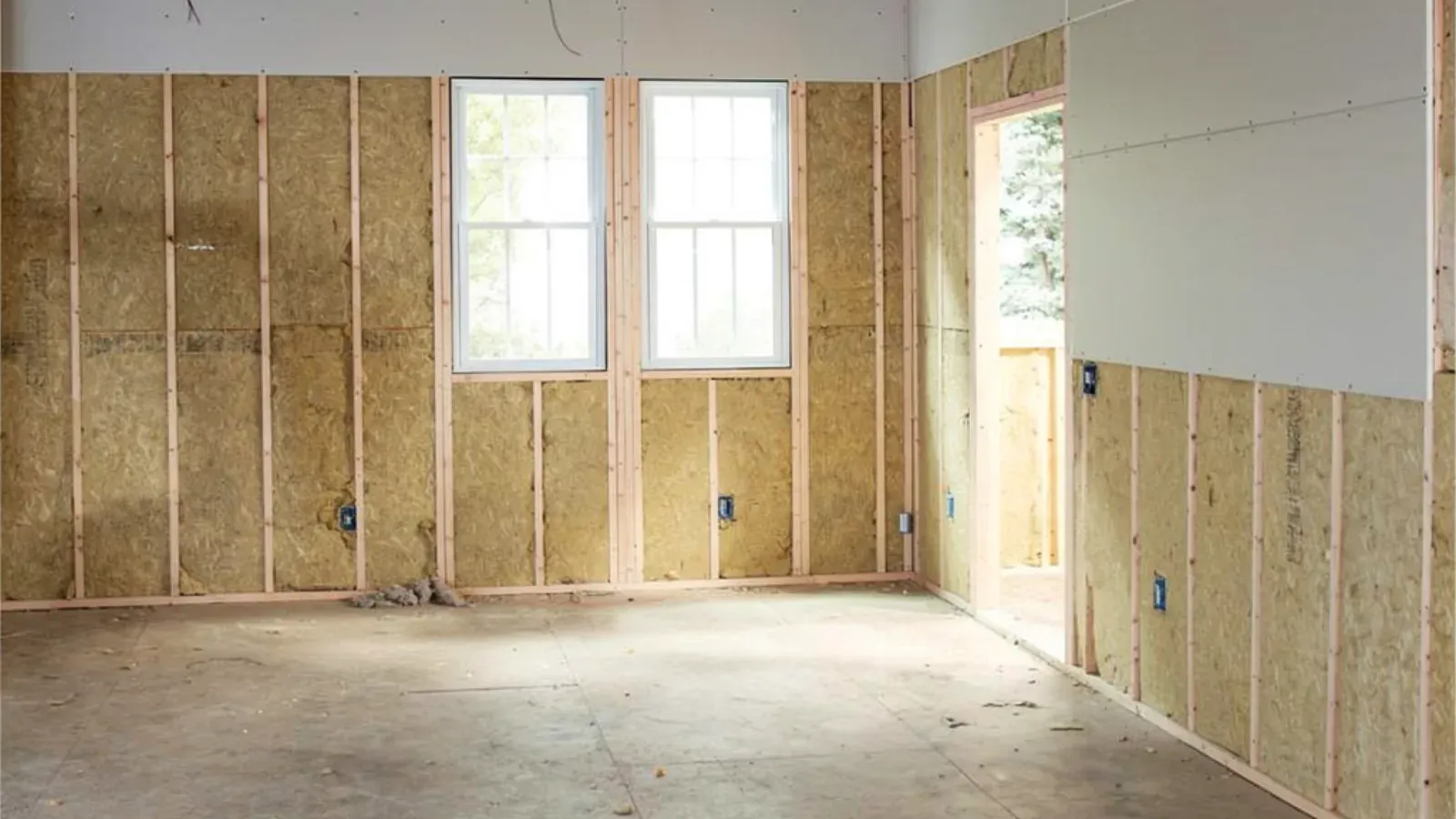
The first job is to keep spores from traveling through the house. The crew contains the affected area, cuts out the moldy board and any wet insulation behind it, and bags it for disposal, cutting back to clean, dry framing so no hidden pocket restarts the problem. For a small, contained patch on a wall that has dried out, this is a straightforward removal and rebuild. For a large area, or a home where someone has a serious health condition, the company coordinates with a mold remediation specialist who handles formal containment and clearance, then completes the drywall rebuild once the space is cleared.

Mold cannot grow without moisture, so replacing the board without fixing the dampness just restarts the cycle, which is the single most common reason it comes back on a basement wall. Cambridge is one of the densest cities in New England, and its lower-level rooms sit in damp ground near the Charles and out toward Alewife, so basements in North Cambridge and Inman and the lower floors of the two- and three-family homes across The Port hold humidity long enough for growth to start. The rebuild is chosen for the conditions: mold-resistant board like purple M2Tech where a wall stays humid, cement board and a RedGard barrier where it meets wet directly. The full mold page covers how the source gets fixed and which board fits which spot.

Get a Mold Quote

Water Damage Drywall Repair

A ceiling stain that spreads overnight, a burst supply line that soaks two floors, or an ice-dam leak that reopens every winter all raise the same question: how far did the water actually travel, and is the board behind the stain still safe to close up? Cambridge Elite Drywall & Plaster answers that with a moisture meter before a saw ever touches the ceiling, mapping the wet path along the joist bay or stud cavity rather than guessing from the size of the visible ring.

Once the true edge of the damage is marked, the crew cuts back to sound, dry material, pulls any soaked insulation, and leaves the cavity open until the framing reads down to a normal moisture level. Only then does new board go up, taped, finished, and textured to match a smooth wall, an orange-peel, or a knockdown ceiling. Water stains bleed through ordinary paint, so every repair is sealed with a stain-blocking primer before it is handed off paint-ready. On the city's large pre-1978 housing stock the company works as an EPA RRP Lead-Safe Certified Firm and follows MA 780 CMR, so opening an old wall does not create a lead problem on top of the water one.

Cambridge packs old, dense housing near the Charles, where basements stay damp and top-floor ceilings sit under ice-dam-prone roofs, and century-old plumbing in Cambridgeport and East Cambridge lets go in a cold snap. Each of those soaks drywall differently, which is why the diagnosis step matters as much as the rebuild. Insurance claims get the documentation an adjuster expects: photos and measurements taken before anything is removed. The full water damage page walks through how the moisture diagnosis works, which repair variant fits a given situation, and what separates a same-day emergency from a repair that can be scheduled.

Get a Repair Quote

Plaster Repair & Plaster-to-Drywall Conversion

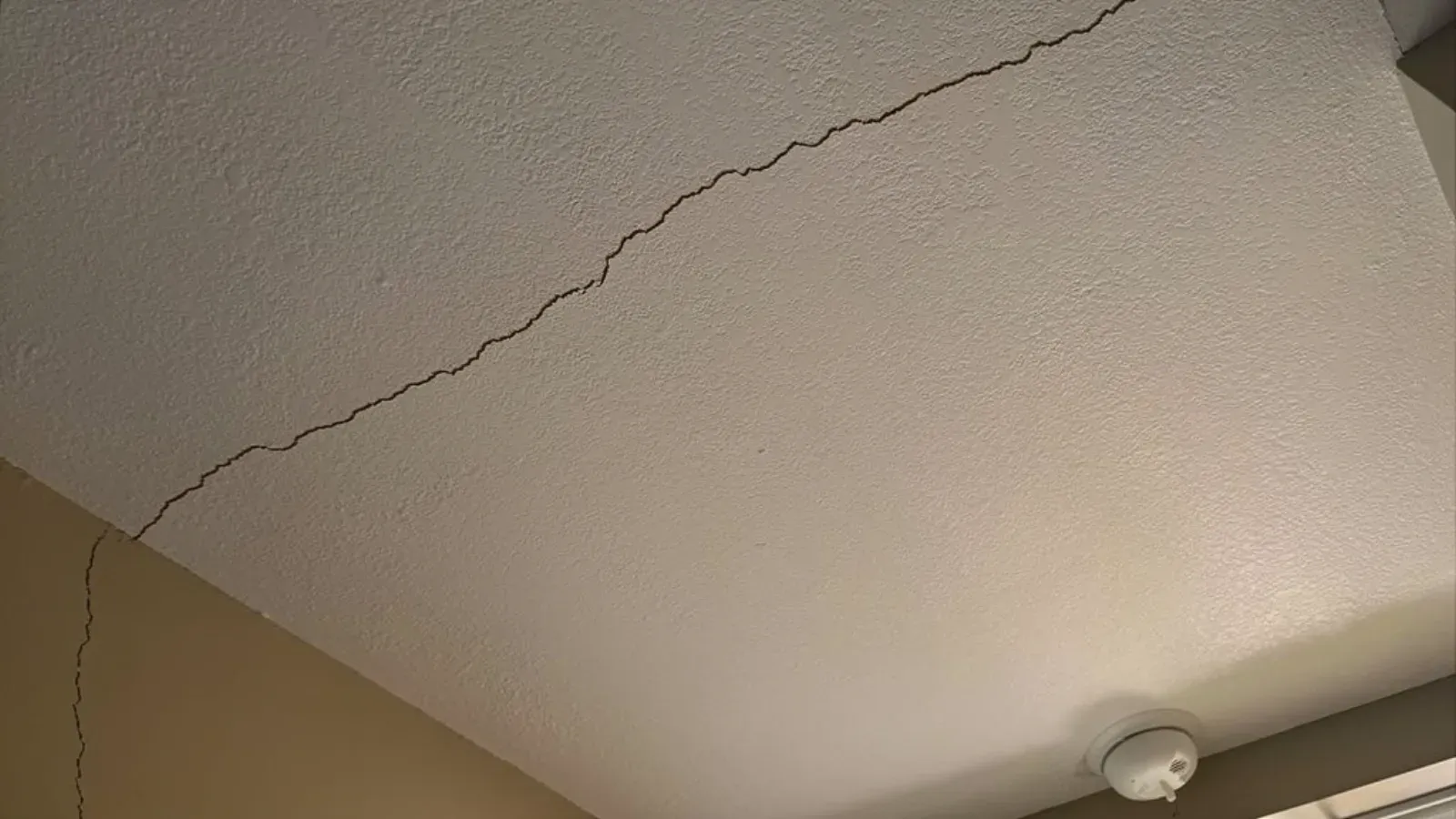
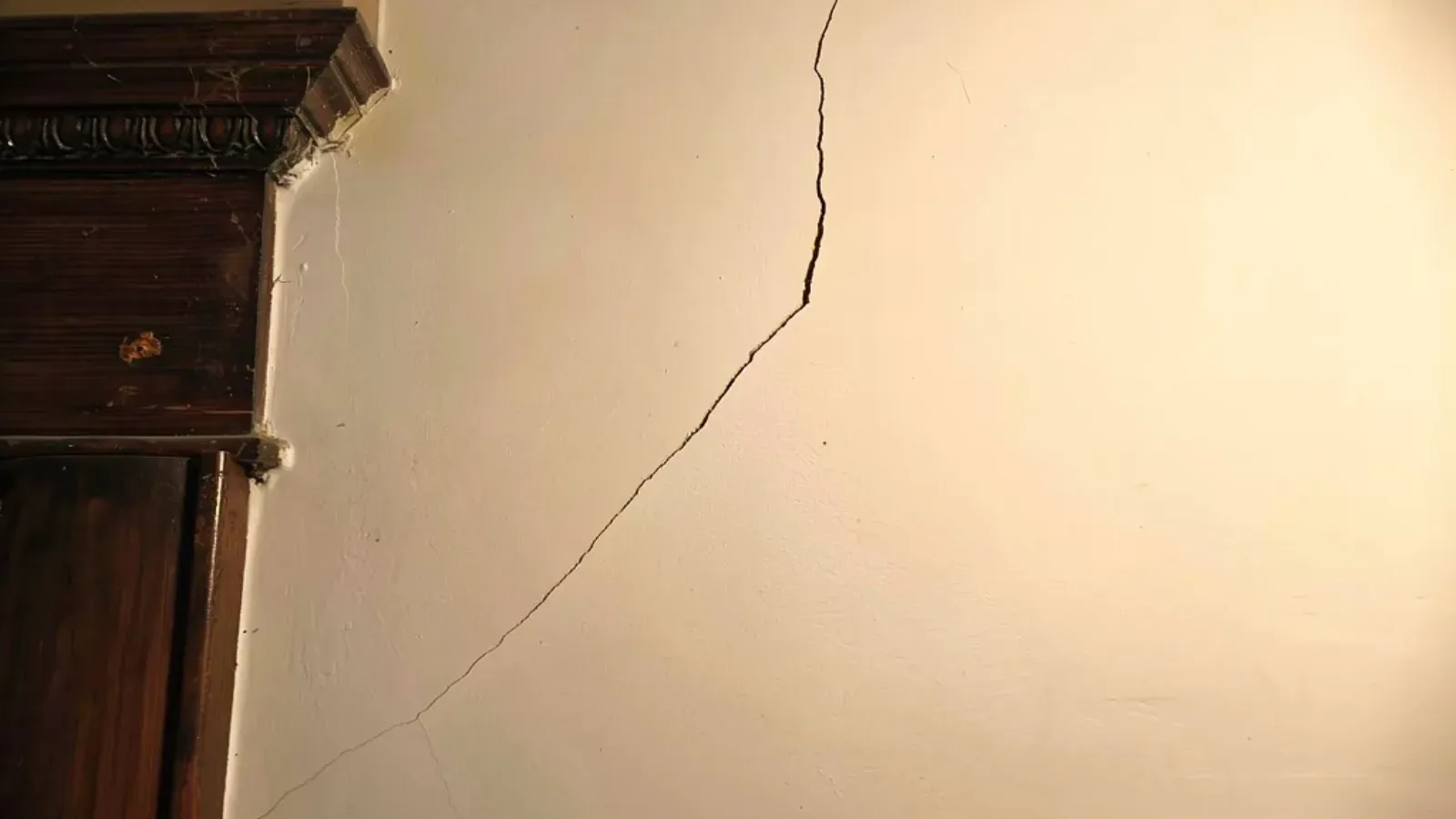
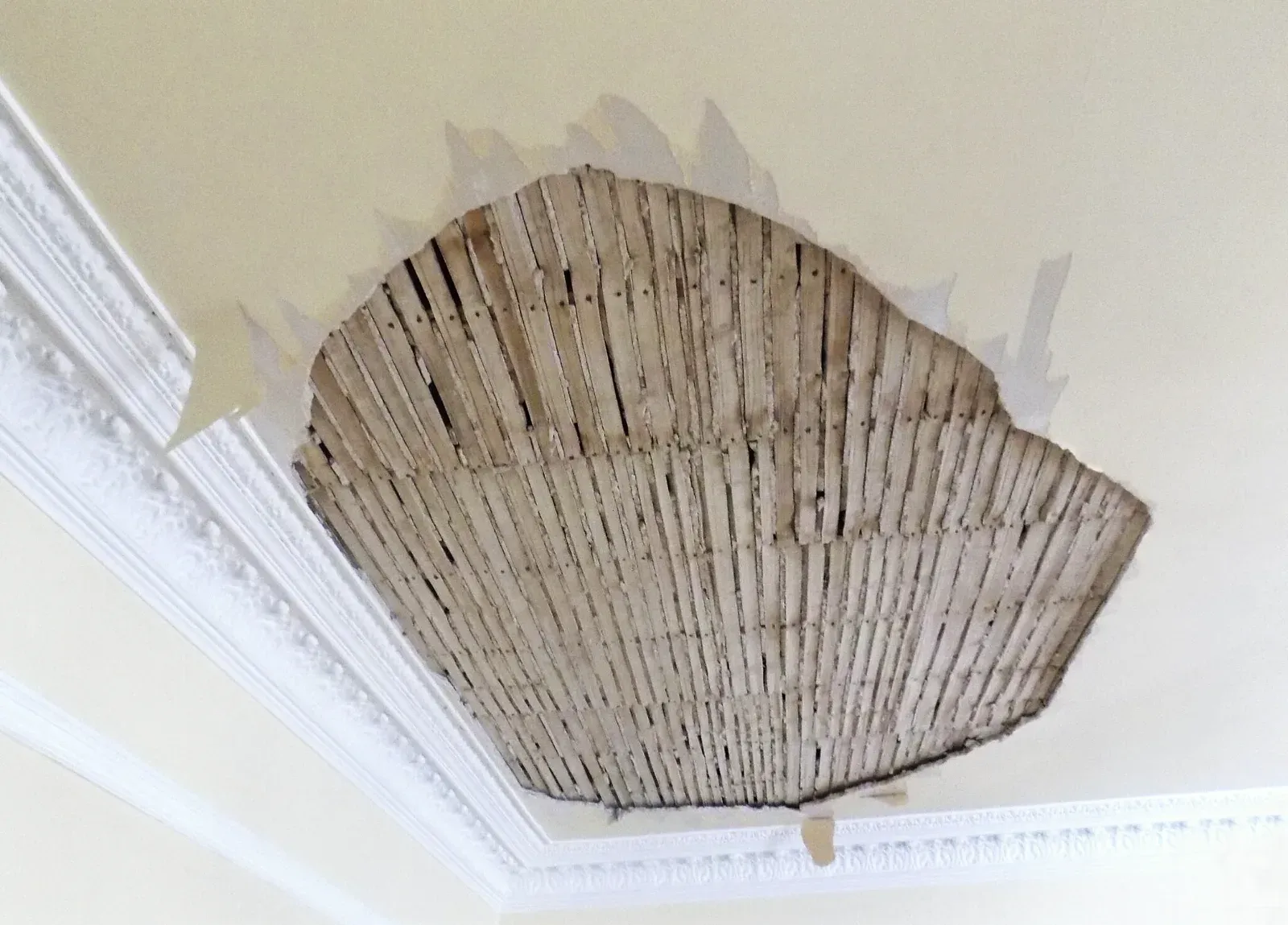
Cracks that keep reopening over the same line, plaster that sounds hollow when tapped, or a ceiling section that has begun to drop are the usual reasons an owner of an old Cambridge home finally calls. Cambridge Elite Drywall & Plaster works on these walls constantly, because the city holds an enormous stock of 1850 to 1925 Victorians, Colonials, and Greek Revivals with their original lath-and-plaster interiors still in place, and a surface patch never fixes the failed keys underneath.

Every old wall comes down to two paths. When the plaster is still largely bonded to the lath, the crew re-anchors loose sections, rebuilds cracked areas, and skims the surface with joint compound, bringing a whole room to a Level 5 finish smooth enough that raking light and deep flat colors show no seams. When the plaster is too far gone, or a wall is already open for a renovation, converting to drywall is the more durable answer: old plaster and lath come out, the framing gets checked, and new board goes up to the original wall lines so the trim, moldings, and proportions of the room stay exactly as they were.

A large share of this work happens on homes under formal historic review, from the Old Cambridge Historic District and Harvard Square Conservation District through Mid-Cambridge and Avon Hill, where repairs have to respect the building's character. Nearly every one predates 1978, so the company works as an EPA RRP Lead-Safe Certified Firm and sets up containment before disturbing old painted plaster, under MA 780 CMR. The full plaster page explains how the save-or-convert call gets made wall by wall, what a Level 5 skim involves, and how a converted wall still reads as the period home it belongs to.

Get a Plaster Quote

Get a fast, no-pressure quote

Call or send a few details — we serve Cambridge and the surrounding area.

Call (857) 375-6939

Call Now